
Design & Sustainability
Fast Fashion Has a Waste Problem. So Does Furniture.
We have become more conscious of what we wear. Perhaps it's time to ask the same questions about what we live with.
By The Unique Piece3 min read
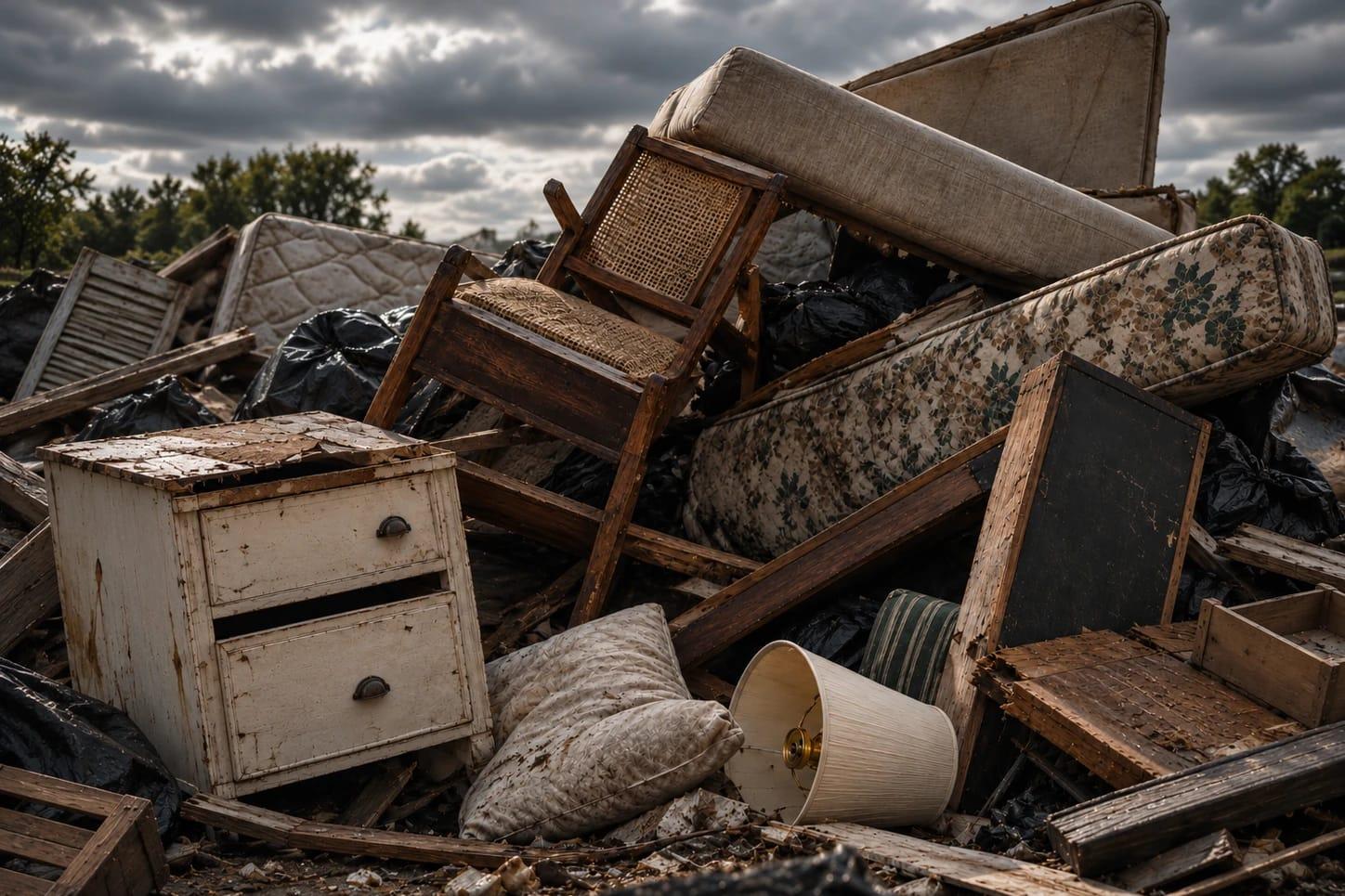
Every second, the equivalent of a truckload of clothing is landfilled or incinerated around the world. The United Nations Environment Programme estimates that the fashion and textile sector produces 2 to 8 per cent of global greenhouse gas emissions. The impact of fast fashion has received growing attention in recent years, for good reason.
Furniture deserves more of that conversation.
Fast furniture is furniture made and sold quickly and cheaply, often in response to changing tastes and demand for low prices. Affordable furniture helps people furnish their homes. The problem is when a piece is hard to repair, wears out quickly or is replaced while it could still be used.
What goes into a piece of furniture?
A sofa or cabinet may combine timber, metal, foam, fabric, plastics, adhesives and surface coatings. Producing and transporting those materials uses energy and resources.
Some furniture also contains chemical treatments, such as flame retardants or formaldehyde based resins. Their presence varies by product. But chemical information is not always easy to find, and some treatments can make safe reuse and recycling harder.
The design can create another problem when a piece is no longer wanted. Composite boards, glued layers and mixed materials are difficult to separate. A table with a damaged surface, for example, may be discarded even if its frame is sound. Recycling is not always straightforward, so usable furniture can end up in bulky waste.
The scale of the problem
There is little public data that counts furniture waste across the UAE. Dubai Municipality reported 4,000 requests for bulky waste collection in the first half of 2022. The requests included furniture, appliances and electronics, so they are not a count of discarded furniture. The Municipality said recycling companies screen the collected items and recycle most for reuse.
For a wider comparison, the United States Environmental Protection Agency estimated that 12.1 million tons of furniture and furnishings entered the municipal waste stream in 2018. This older figure covers furniture waste generally, not fast furniture specifically. It still shows how much material can be lost when furniture is thrown away.
A piece can be right for someone else
Buying second hand is not automatically the best choice in every situation. Condition, materials, transport and how long a piece will be used all matter. But when a well made chair, table or cabinet still has years of use left, finding it a new home can mean one less replacement needs to be made.
There is another effect of buying the same new furniture as everyone else: homes can start to look alike. A chair with an unusual shape, a cabinet with beautiful wood or a table with a bit of history can give a room its own character. It does not have to be antique or expensive. What matters is that it is well made, suits your home and is something you will want to keep.
Make the next choice count
There are practical ways to slow the cycle of buying and replacing. Choose furniture that is well made, durable and suited to how you live. When something wears or breaks, consider repairing or reupholstering it before replacing it. If it no longer works in your home, pass it on or sell it so someone else can use it.
When buying new, look at the materials and how the piece is made. Certifications such as FSC can help identify wood from responsibly managed forests. And when choosing a style, think beyond the current trend: will you still want to live with it in a few years?
These choices are part of why we created The Unique Piece. We wanted to make it easier for exceptional pre owned furniture and objects to find their next owner. A marketplace cannot solve the wider problem of furniture waste, but it can help keep useful, distinctive pieces in circulation and give people another option when furnishing a home.